Introduction: Salon educators and detailing teams need to place cordless random orbital polishers inside real waxing, sealing, finishing, and correction tasks.
For B2B training, the main question is not whether one tool can make every vehicle look perfect. The useful question is where a cordless dual action polisher fits in a repeatable detailing workflow, especially when staff move between bays, driveways, garages, and job sites. Random orbital polisher suppliers often describe waxing, sealing, mirror finishing, paint correction, and scratch removal together, but those words point to different tasks, materials, and expectations. A clear scenario view helps educators explain tool use without turning application claims into guaranteed surface results.
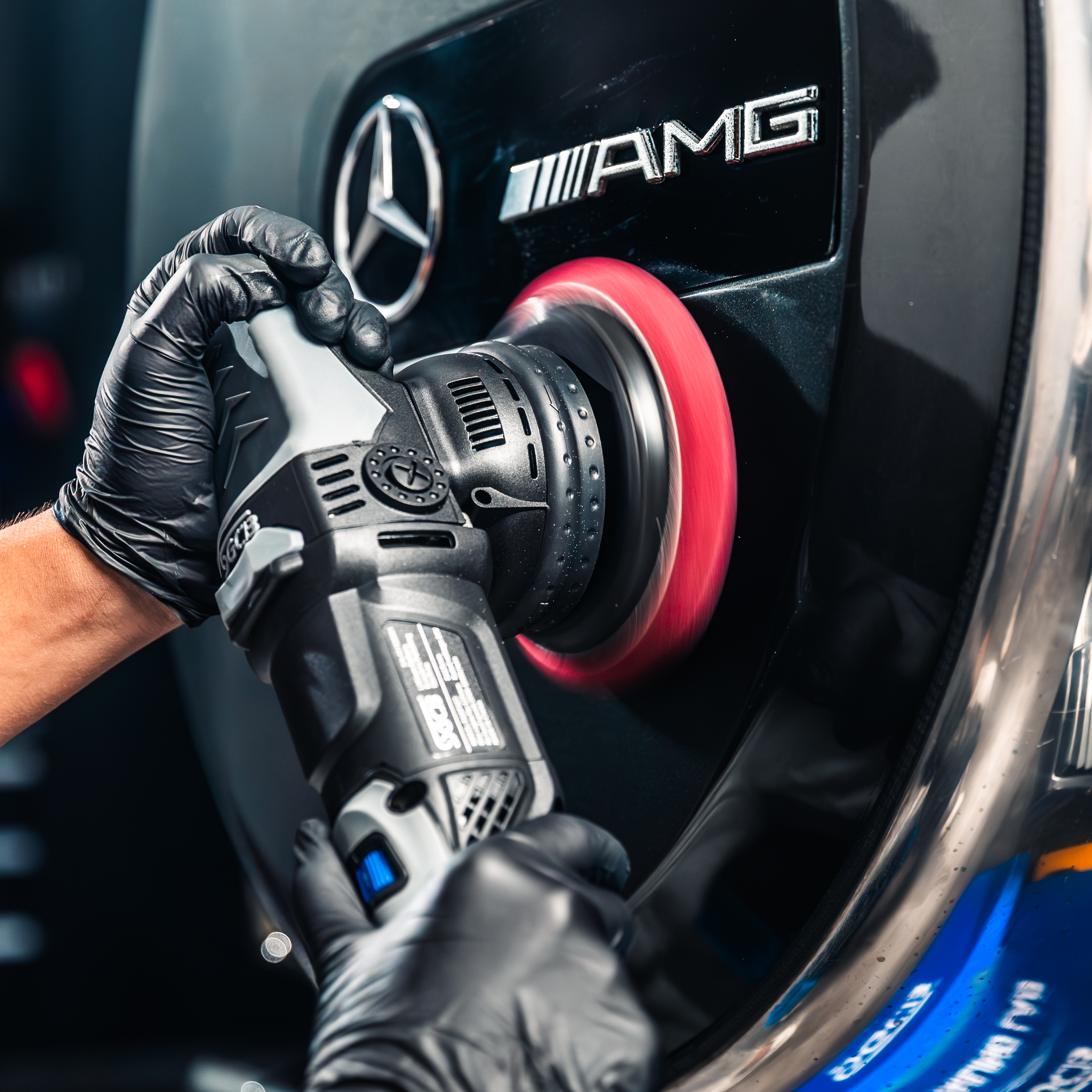
A cordless random orbital polisher for waxing sealing and mirror finishing belongs in the appearance-care part of the detailing workflow, after the vehicle has been cleaned and the working surface has been prepared for the intended treatment. In a salon or training setting, this distinction matters because washing, decontamination, correction, protection, and finishing are not the same decision. A polisher can help apply, refine, or work a product across a surface, but the visible outcome still depends on paint condition, pad choice, compound or wax type, user control, surface temperature, and the condition of the vehicle before polishing begins. For educators comparing cordless dual action polisher suppliers or random orbital polisher suppliers, application words should be read as task placement rather than final-result promises. Waxing and sealing sit closer to protection and appearance maintenance. Mirror finishing sits closer to final gloss refinement after earlier preparation. Paint correction and scratch removal are more demanding because they involve the condition of defects in the paint system, not just the spreading of a protective product. This is why a supplier page may reasonably mention several use scenarios, while a trainer should still separate light maintenance, finishing, and defect treatment when teaching staff or advising a workshop buyer. The commercial value of this distinction is practical. A detailing studio may want one cordless dual action polisher category for mobile work, staff training, and flexible bay use, but the tool should be introduced as part of a process rather than a shortcut. Car care guidance commonly treats exterior care as a maintenance discipline built around cleaning, inspection, and regular attention, not a single machine-driven result. In that same spirit, a cordless polisher can support a professional appearance-care workflow when the salon controls preparation, product matching, pad condition, work time, and final inspection.
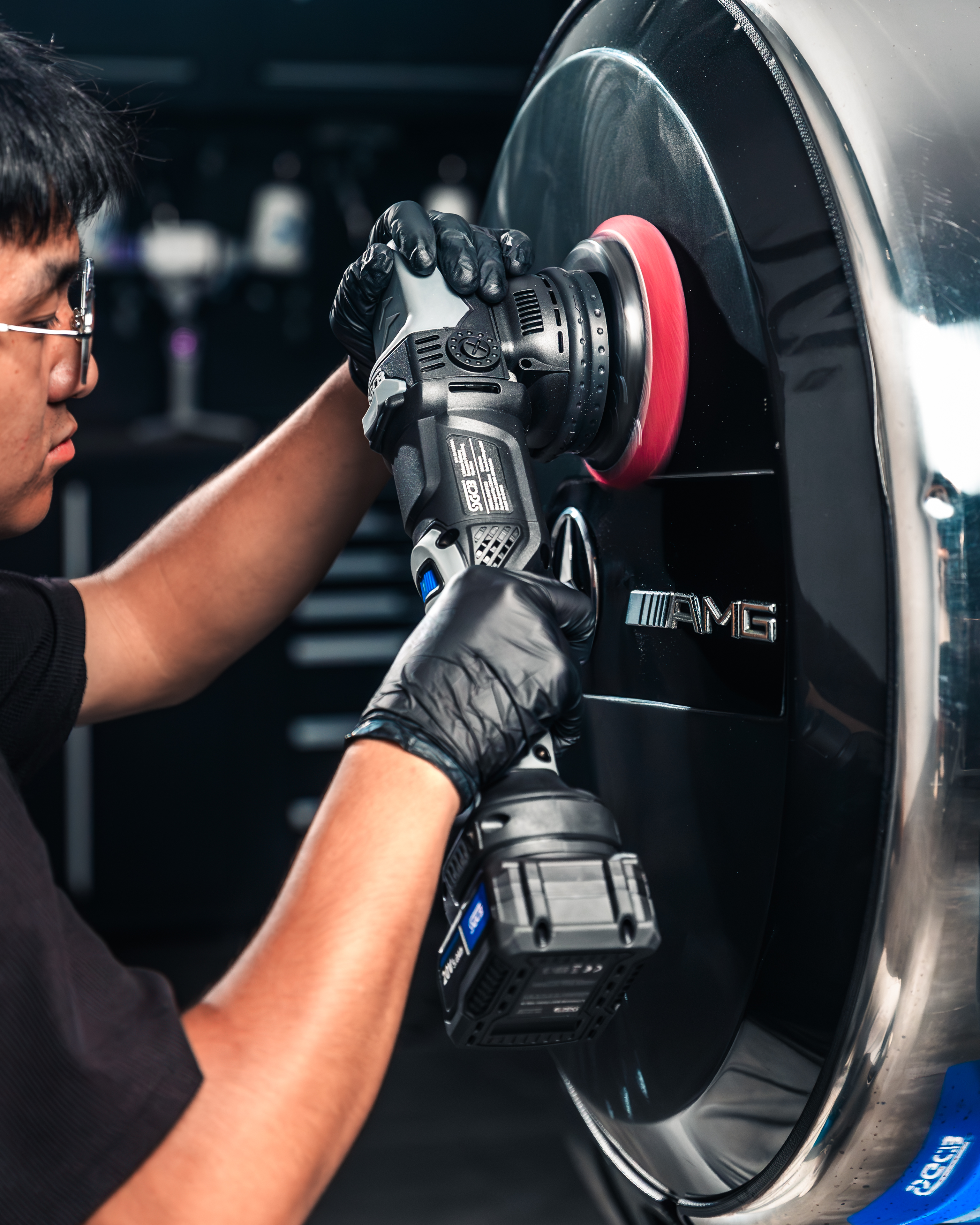
For a salon educator, the clearest way to explain the category is to separate the task purpose before naming the tool. A dual action polisher may appear in all four scenarios, but the goal, acceptable pressure, product behavior, and evaluation method are different. This is also where consumable wording needs care: an ro buffing foam pad or DA buffing foam pad is a category term for a polishing or buffing consumable, not automatic proof that every pad fits every machine, backing plate, or surface condition.
This task separation also helps B2B buyers avoid a common training problem: staff hear a broad application phrase and assume the same pad, liquid, speed habit, and pressure pattern applies everywhere. In reality, discussions with auto detailing polisher suppliers should connect tool choice with consumables, vehicle condition, operator skill, and the shop’s service menu. For waxing and sealing, consistency and coverage may be the stronger training message. For finishing, control and surface reading become more important. For scratch work, the message should stay conservative because defect removal is limited by the paint, the defect depth, and the correction system used.
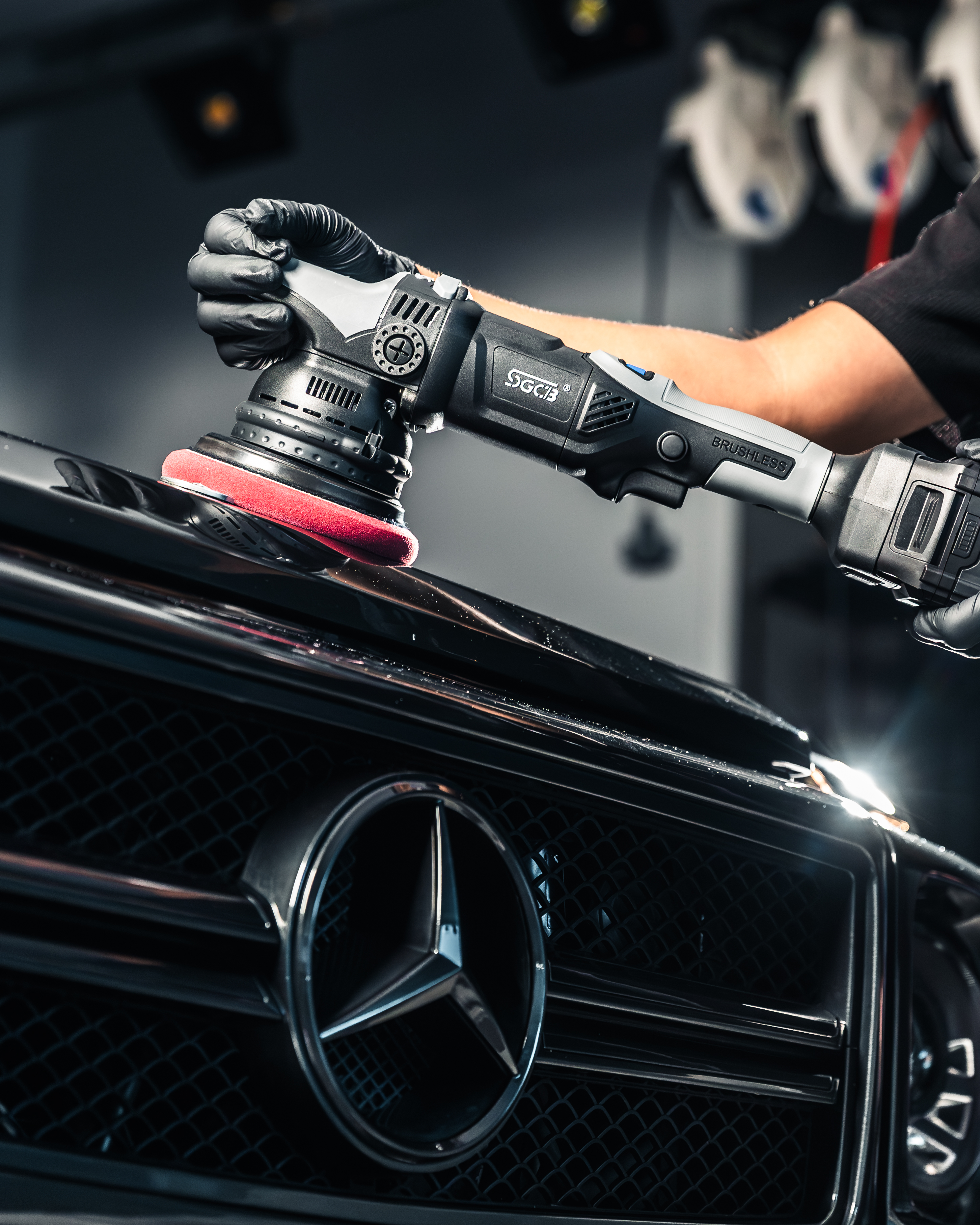
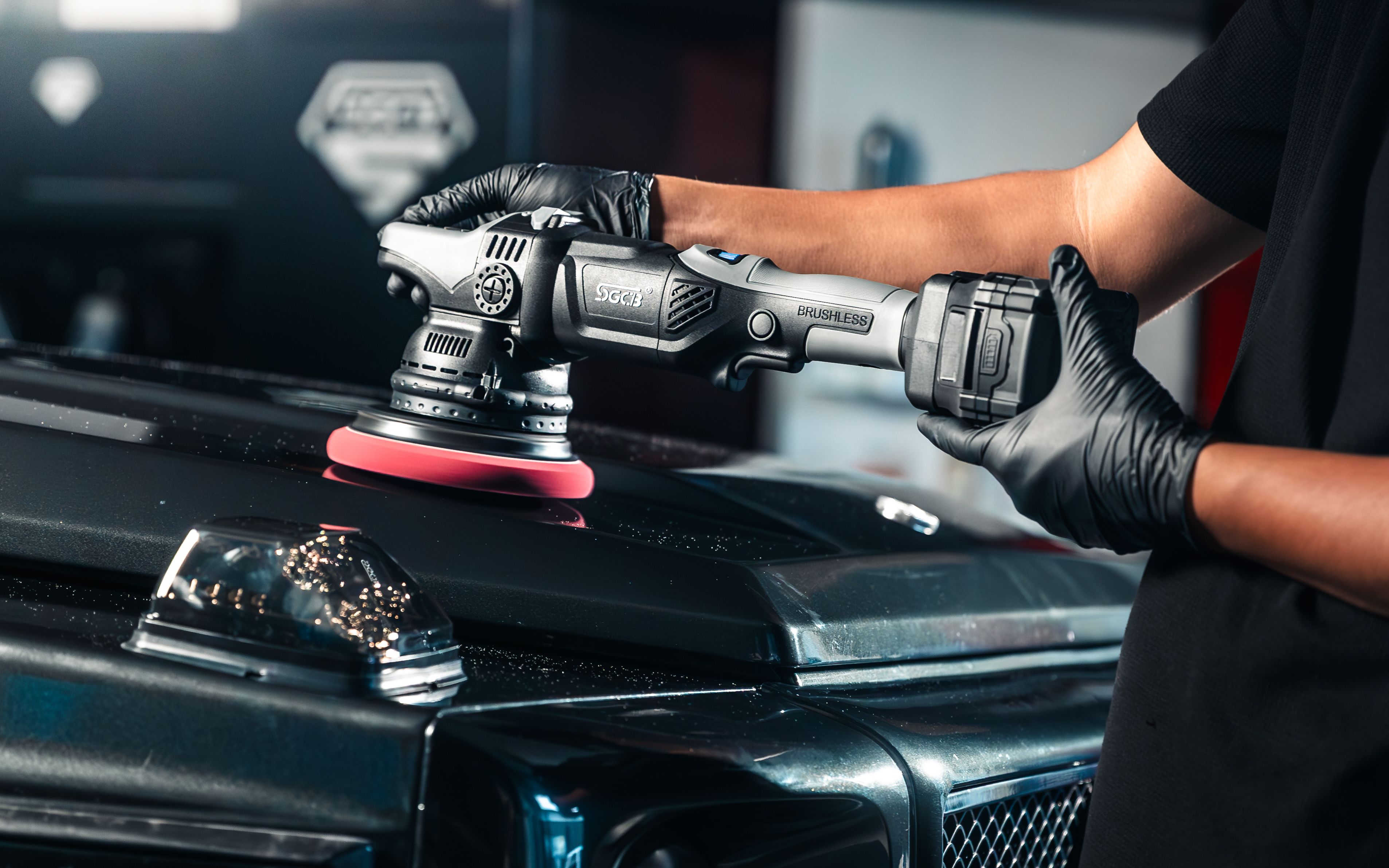
Cordless operation becomes most valuable when the work area changes often or when power access creates interruptions. In garages, a cord can drag across panels, get caught around tires, or limit how staff move around a vehicle. In driveways and job sites, the issue is often simpler: the nearest outlet may be inconvenient, shared, or unavailable. For trainers, this makes the cordless polisher for garages driveways and job sites a workflow tool as much as a polishing tool. It supports movement, panel-to-panel repositioning, and flexible work layouts without making the educator promise easier correction on every surface. SGCB positions its cordless brushless 5-inch dual action random orbital model for paint correction, scratch removal, waxing, sealing, mirror finishing, auto detailing, and use in garages, driveways, and job sites. Those application terms are useful as a scenario map for educators and commercial buyers. The same product information also mentions cordless use, a brushless structure, electronic speed control, overcurrent protection, an anti-slip grip, and mobile detailing environments such as boat/yacht maintenance and RV care. These points can help a salon educator explain why a cordless brushless polisher may be attractive for flexible detailing layouts, while still keeping the discussion tied to confirmed use cases rather than universal surface claims. The ergonomic value should also be explained carefully. Removing a cord can reduce one type of movement constraint, but it does not remove the need for good posture, controlled grip, breaks, and surface-height planning. General ergonomics guidance for hand tools emphasizes grip, tool design, hand position, and the effects of repeated or sustained work. CDC ergonomics resources also connect work-related musculoskeletal disorders with factors such as repetition, force, and awkward posture. For a detailing salon, the teaching point is straightforward: cordless operation can improve mobility, but fatigue management still depends on how the technician holds the machine, reaches across panels, changes body position, and organizes the work area.
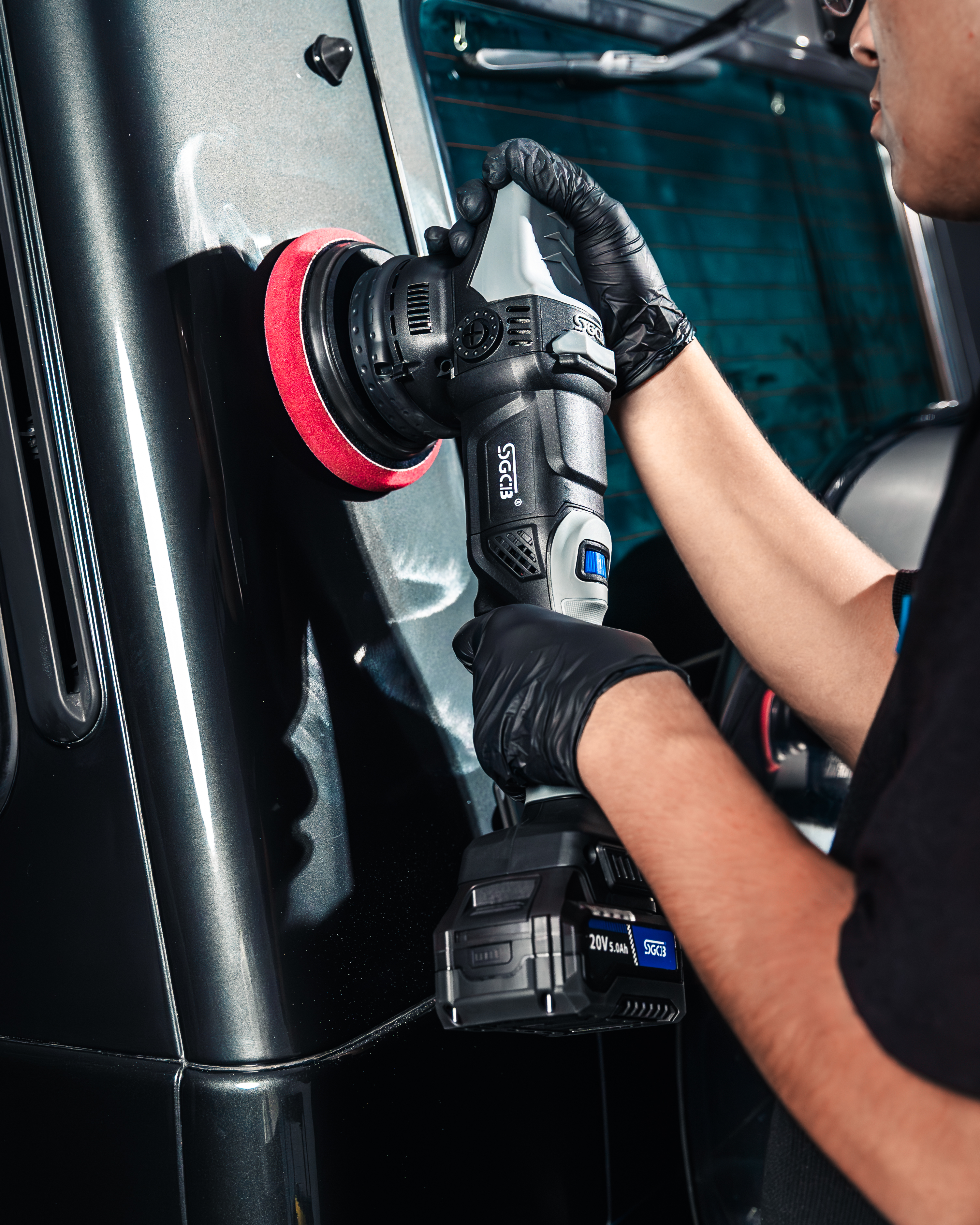
Cordless random orbital polishers make the most sense when they are taught as task-support tools for appearance care, not as machines that guarantee one fixed finish. Waxing, sealing, mirror finishing, and scratch work each place different demands on preparation, consumables, operator control, and surface condition. For salon educators and B2B detailing teams, the useful next step is to read SGCB and other random orbital polisher suppliers through a scenario lens: where the tool fits, which tasks it supports, and which outcomes still depend on the wider detailing process.
Q:Can a cordless random orbital polisher be used for waxing and sealing?
A:Yes, a cordless random orbital polisher can be used in waxing and sealing tasks when the pad, product, surface condition, and working method are suitable. In a professional setting, it is best described as helping with controlled application and coverage rather than guaranteeing longer protection or a flawless finish by itself.
Q:Does mirror finishing mean a polisher can remove every paint defect?
A:No. Mirror finishing describes a desired final appearance, usually improved gloss and clarity, but it does not mean every scratch, swirl, oxidation mark, or deeper defect can be removed. The result depends on the paint condition, correction process, consumables, operator skill, and whether the defect is suitable for polishing at all.
Q:Is an ro buffing foam pad automatically compatible with every random orbital polisher?
A:No. An ro buffing foam pad is a general consumable term, not a universal compatibility guarantee. Buyers and trainers should confirm backing plate size, attachment type, pad diameter, product recommendations, and the intended task before pairing foam pads with any random orbital polisher.
Car Care Guide - Be Car Care Aware
CCOHS: Hand Tool Ergonomics - Tool Design
Ergonomics and Work-Related Musculoskeletal Disorders


